Best TV for GTA VI
Both confirmed consoles output 4K120 over HDMI 2.1, so the specification to check is the port, not the panel marketing. After that the decision is made by your room rather than by the set: how much daylight it gets is a bigger factor than anything in a spec sheet.
As an Amazon Associate I earn from qualifying purchases.
C4 OLED
Per-pixel black on a game that spends much of its time at night, and four HDMI 2.1 ports rather than the two most sets ship with.
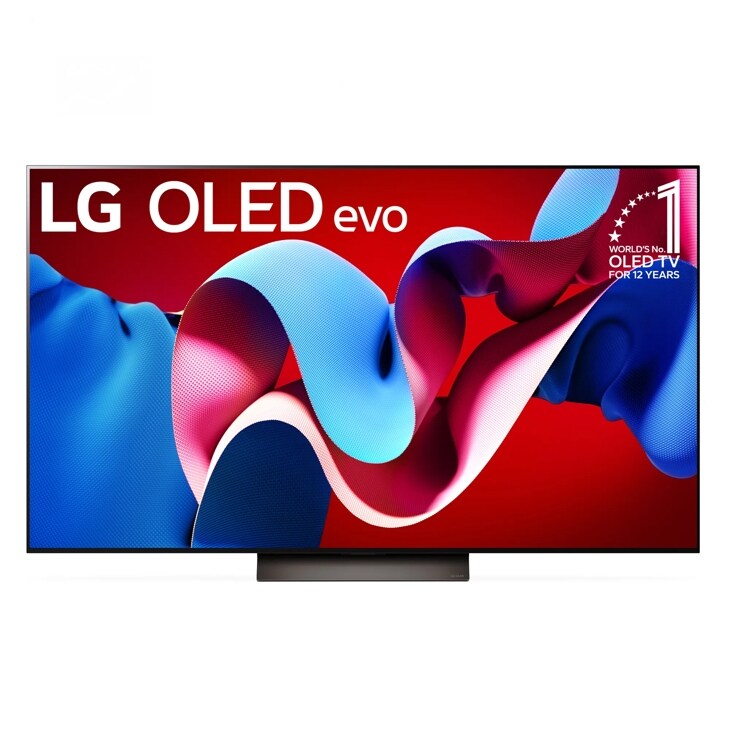
C4 OLED
The default answer for console gaming on a TV. Four HDMI 2.1 ports, so a PS5 and a Series X can both sit at 4K120 without swapping cables.
U8N
Mini LED goes far brighter for around half the money, which matters more than contrast if the room has windows.
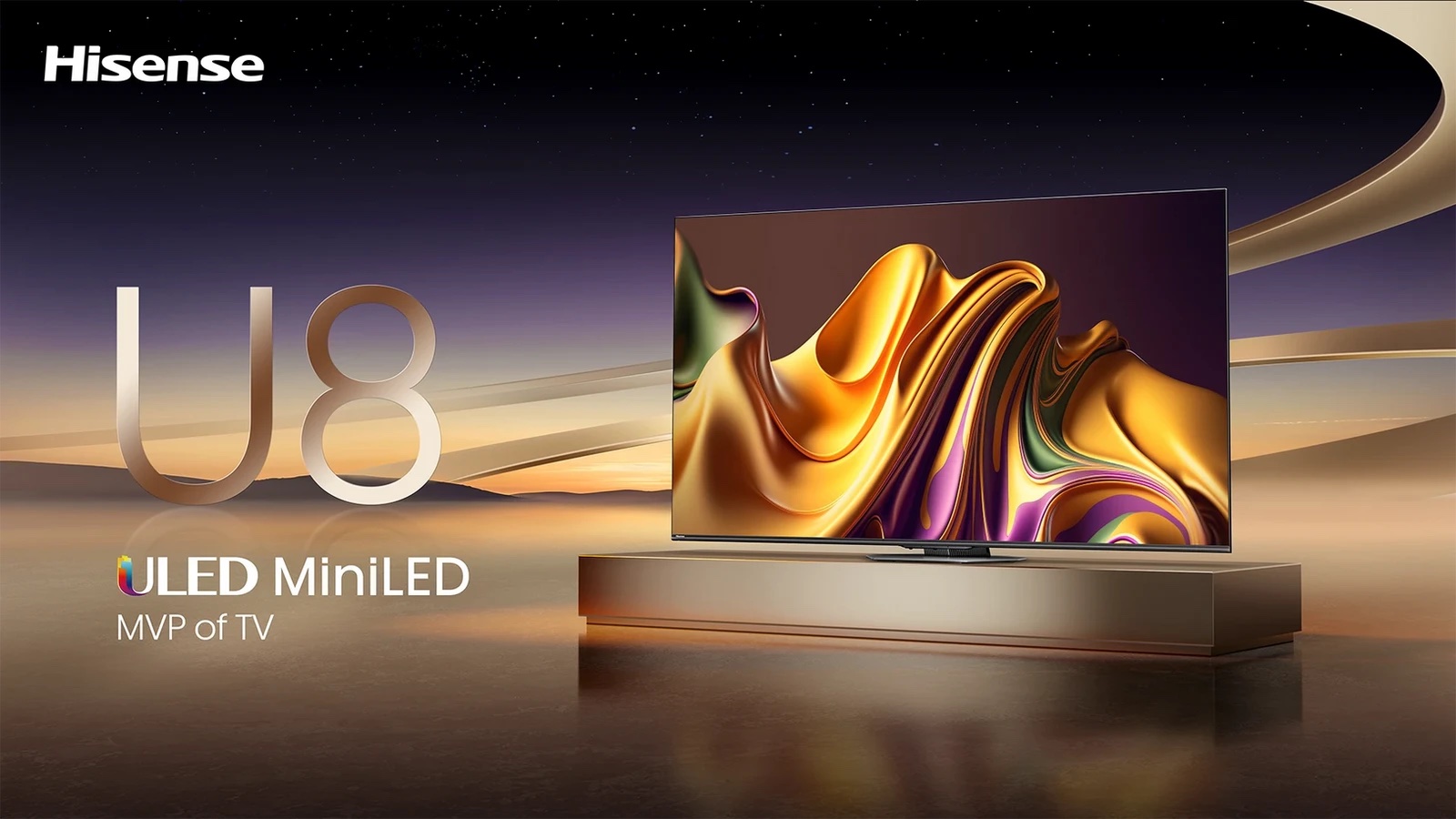
U8N
Mini LED that goes far brighter than an OLED for roughly half the money. The value pick if the room has windows.
M28U
If the console is on a desk rather than under a TV, 28 inch at 4K is sharper at that distance than a large panel across a room.
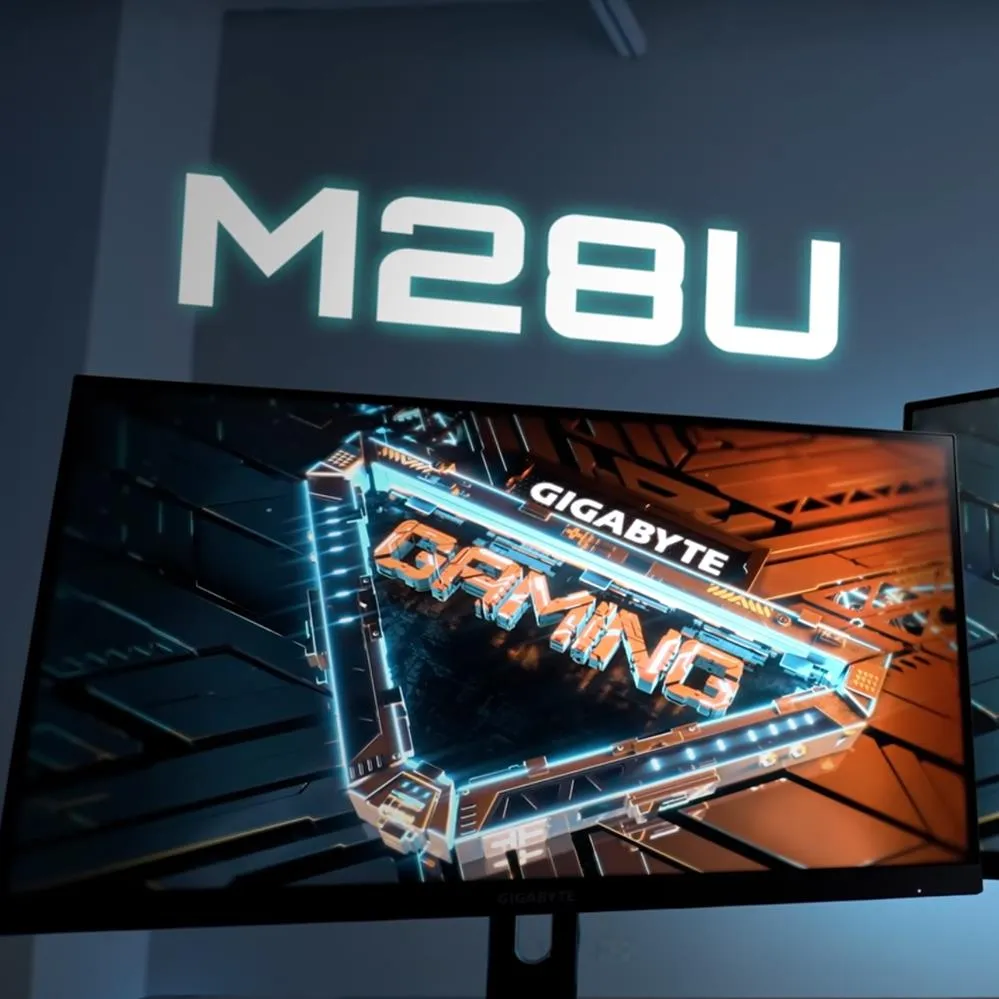
M28U
A 28 inch 4K monitor with HDMI 2.1, which is the specification that actually matters if a console is going on a desk.
What to check before buying
Count the HDMI 2.1 ports
Both confirmed consoles output 4K120 over HDMI 2.1, so one port is the floor, not the target. Plenty of mid-range sets ship two — and a soundbar or a second console takes one of them. The OLEDs on every tested shortlist below have four.
120Hz has to be the panel, not the marketing
A 60Hz panel accepts a 120Hz signal and discards half of it. This is the one line where a cheap set stops being a bargain: the best-value TV on RTINGS' 2026 list that is still only 60Hz is the one they recommend least for gaming.
VRR, in any of its three names
FreeSync, G-Sync or HDMI Forum VRR. It matches the panel to whatever frame rate is actually arriving rather than to a fixed clock, which is what removes tearing when a scene gets busy. Everything on the shortlist below has at least one.
Input lag under 15ms
That is the threshold reviewers who measure it work to. The current OLEDs land at 9-10ms in game mode; a good mini-LED sits around 13-14ms. Below that line the difference stops being something you can feel.
Then let the room decide
OLED for a dark room, mini-LED for one with windows. Nothing else on the spec sheet moves the picture as much, and it is the only factor a spec sheet cannot tell you.
Also measured well
LG C5 OLED
- 4K 144Hz across four HDMI 2.1 ports
- 9.2ms measured input lag in game mode
- Full VRR, HGiG, ALLM and Dolby Vision gaming
- 42 to 83 inches
around $1,199 at 65 inches when reviewed
Samsung S95H OLED
- QD-OLED panel with a matte finish that kills reflections
- 4K 165Hz across four HDMI 2.1 ports
- FreeSync, G-Sync and HDMI Forum VRR
- 55 to 83 inches. No Dolby Vision
LG G5 OLED
- 4K 165Hz across four HDMI 2.1 ports
- 9.2ms measured input lag
- Brighter and more saturated than the C5, at roughly twice the price
around $2,299 at 65 inches when reviewed
Samsung QN90F
- Mini LED, over 2,500 nits HDR peak and over 600 nits full screen
- 4K 165Hz across four HDMI 2.1 ports
- 9.5ms measured input lag
- Anti-glare coating rather than a glossy panel
around $1,399 at 65 inches when reviewed
LG B5 OLED
- 4K 120Hz across four HDMI 2.1 ports
- 9.1ms measured input lag — the lowest of anything here
- All three VRR formats, plus Dolby Vision gaming
- 48 to 83 inches. Dimmer than the C5, so best in a darker room
from around $549 at 48 inches when reviewed
Nothing here has been measured on our own equipment. These are published panel specifications and the port count, which is the part that decides whether a console can drive it properly. The measured figures further down belong to the labs named beside them.